Table of Contents
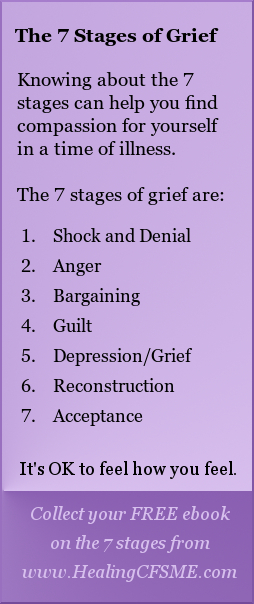
The five phases of grief are rejection, anger, negotiating, clinical depression, and approval. Everybody experiences grief in different ways, and it is vital to permit people to grieve in their very own way. If you or an enjoyed one is handling loss, it can be helpful to read more concerning the grieving process.
It is necessary to remember that the grieving process can be complicated, and it isn't the same for everyone. These actions might not be followed precisely, or various other sensations might emerge after you believed you were via the stages of grieving. Permitting area to experience despair in your own means can aid you recover after loss.
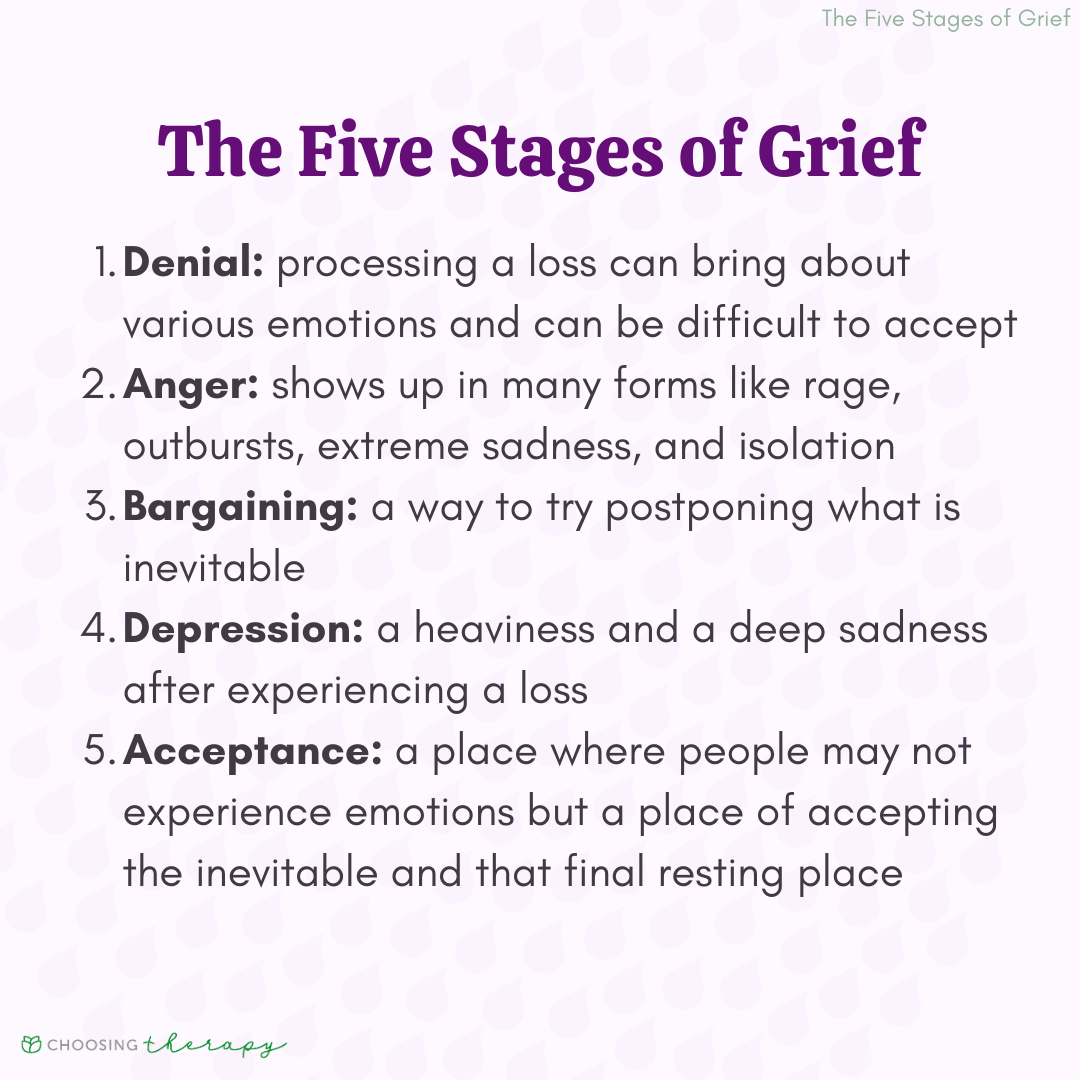
It suggests that we experience five distinctive stages after the loss of a loved one. These stages are rejection, anger, bargaining, depression, and lastly acceptance. In the initial stage of the grieving process, denial assists us lessen the overwhelming pain of loss. As we process the reality of our loss, we are additionally trying to endure emotional discomfort.
Throughout this phase in grieving, our fact has moved entirely. We mirror on the experiences we've shared with the person we lost, and we may discover ourselves questioning exactly how to move forward in life without this individual.
Why EMDR Therapy Processes Trauma for Complex PTSD
Rejection is not just an attempt to act that the loss does not exist. We are attempting to adjust to a brand-new reality and are most likely experiencing extreme emotional discomfort.
Nonetheless, it may really feel a lot more socially acceptable than admitting we are terrified. Rage allows us to express emotion with much less worry of judgment or denial. Anger also often tends to be the initial point we feel when starting to release emotions related to loss. This can leave us really feeling separated in our experience.
During negotiating, we often tend to concentrate on our personal mistakes or remorses. We might look back at our communications with the person we are losing and note constantly we really felt detached or may have created them pain. It is typical to recall times when we might have stated things we did not mean and wish we might go back and act in a different way.
During our experience of processing sorrow, there comes a time when our creative imaginations cool down and we slowly start to take a look at the reality of our present situation. Negotiating no longer seems like a choice and we are confronted with what is happening. In this phase of mourning, we begin to feel the loss of our enjoyed one even more perfectly.
The Hidden Burden of Career Success
In those minutes, we tend to draw internal as the unhappiness expands. We may discover ourselves pulling back, being much less friendly, and reaching out less to others about what we are going via.
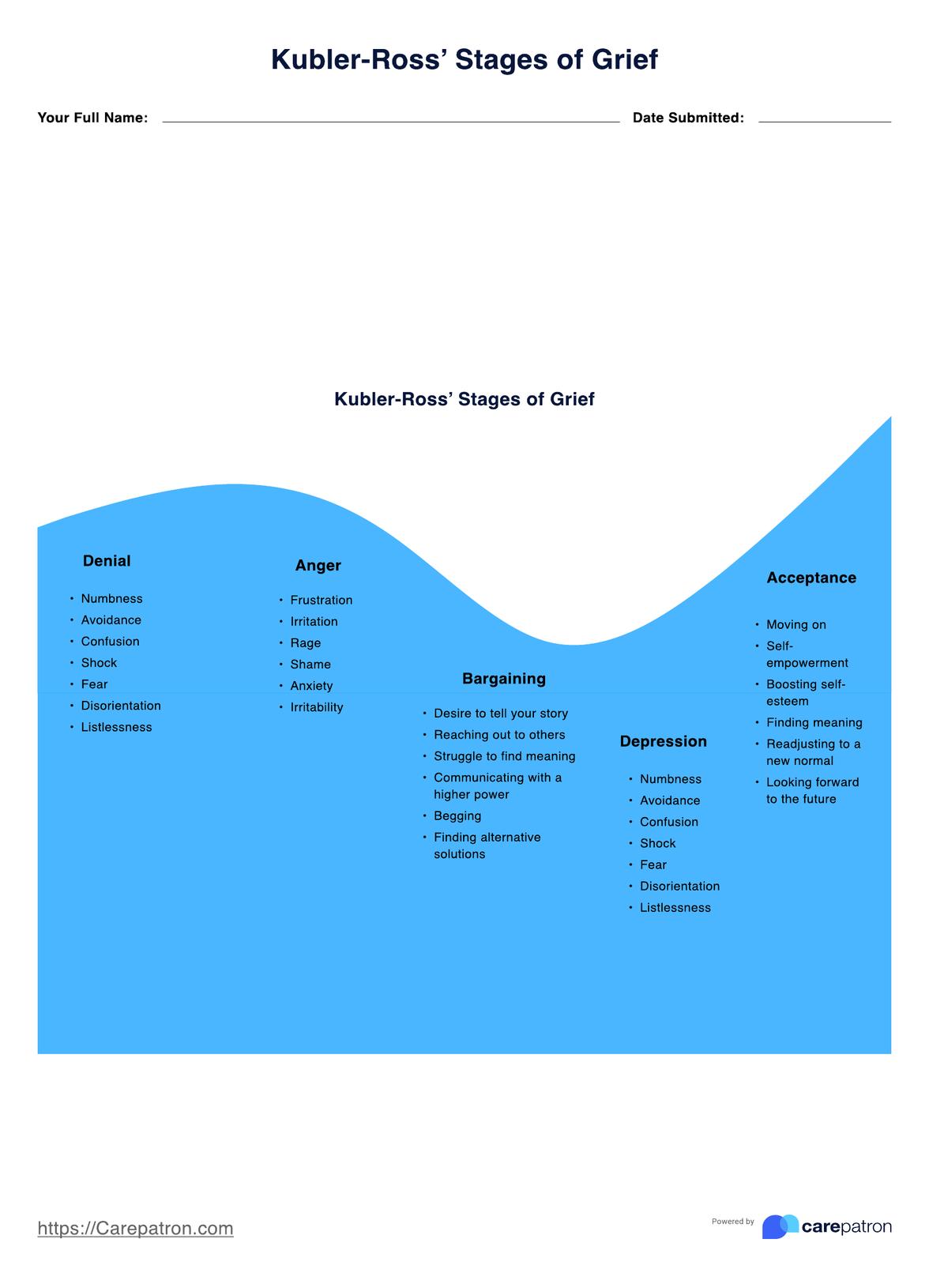
When we concern a place of acceptance, it is not that we no more really feel the pain of loss. Instead, we are no more withstanding the fact of our circumstance, and we are not battling to make it something various. Despair and remorse can still exist in this stage.
There is no specific time duration for any one of these stages. A single person might experience the phases swiftly, such as in an issue of weeks, whereas another person might take months or perhaps years to move through the stages of grieving. Whatever time it takes for you to move with these phases is flawlessly regular.
Safe Relationships in the Treatment Relationship for Depression Specialists
So, you might or might not go via each of these stages or experience them in order. The lines of the grieving procedure stages are commonly obscured. We might additionally move from one phase to another and perhaps back again prior to completely relocating into a brand-new phase. Your pain is one-of-a-kind to you, your connection to the individual you shed is special, and the emotional handling can really feel different per person.
These designs can supply better understanding to people that are harming over the loss of a liked one. They can additionally be used by those in recovery professions, assisting them to provide efficient treatment for grieving individuals that are seeking educated guidance.
British psychiatrist Colin Murray Parkes created a model of despair based upon Bowlby's concept of attachment, recommending there are 4 stages of mourning when experiencing the loss of a liked one:: Loss in this phase really feels difficult to approve. The majority of closely relevant to Kbler-Ross's phase of denial, we are bewildered when trying to manage our feelings.
: As we process loss in this phase of grief, we might start to try to find convenience to fill deep space our loved one has left. We could do this by reliving memories through pictures and searching for indicators from the individual to really feel connected to them. In this phase, we come to be very busied with the individual we have shed.
How IFS Supports Clinical Skills for Medical Workers in Your Area
The understanding that our loved one is not returning feels real, and we can have a tough time understanding or locating hope in our future. We may feel a bit aimless during this section of the grieving process and resort from others as we refine our pain.: In this phase, we feel more confident that our hearts and minds can be brought back.

Navigation
Latest Posts
Protective Patterns within Psychodynamic Therapy for Insight
Supporting Your Partner In Individual Growth with Parts Work Therapy
Partnership Patterns In International Partnerships